

Closing the Strait of Hormuz favors Russia and does not significantly harm China
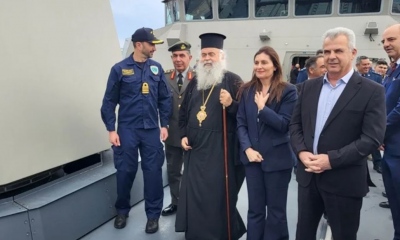
Konstantinos Grivas, Professor of Geopolitics at the Hellenic Army Academy (Evelpidon), provided a unique perspective on the events unfolding in Iran and the resulting geopolitical instability. Speaking to Angie Stathatou on the show MAGGA for BankingNews.gr’s web TV, BN TV, the professor pointed out that an extremely interesting situation is emerging for Greece, as "ambitious Turkey is trapped. Now is the time to deliver a blow to Turkish claims, extend to 12 nautical miles, and define an EEZ with Cyprus!" As Konstantinos Grivas explains, "extending to 12 n.m. is not just a right; it is a duty for Greece to end Ankara’s paranoid demands." While considering the deployment of frigates to Cyprus a positive development, regardless of the motives, Mr. Grivas criticized the lack of a cohesive Greek strategy.
Russia: The big winner of the war – Europe: The big loser!
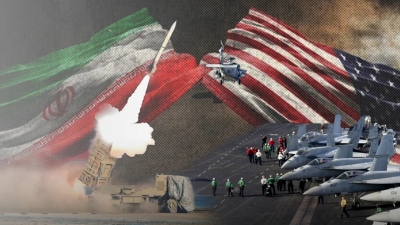
Analyzing the facets of the war in Iran, 20 days after the US-Israeli bombings in Tehran, the geopolitics professor speaks of a "precarious bet with an uncertain outcome." He explains why the closure of the Strait of Hormuz favors Russia and does not particularly harm China. "Russia is being strengthened along the Eurasian axis, and the American establishment realizes this." Within this domino of developments, new players are waiting to exploit the circumstances, particularly the destruction of Iran's nuclear program: "Saudi Arabia, Turkey, and the new 'stand-by' nuclear power, Japan." The great loser in this scenario once again "is Europe," Mr. Grivas emphasizes.
Deadlock in operations to control the Strait of Hormuz – What happens if we send the frigate "Kimon"
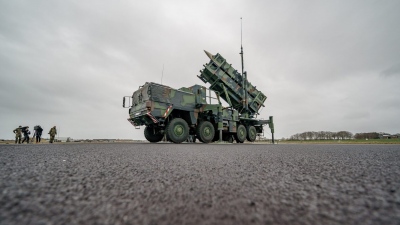
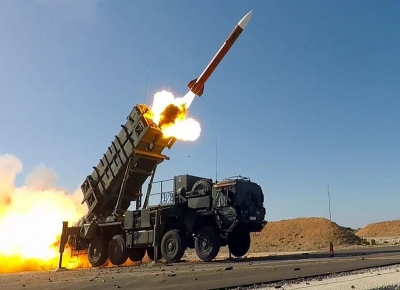
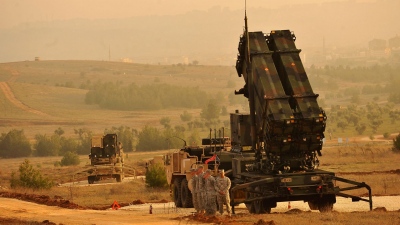
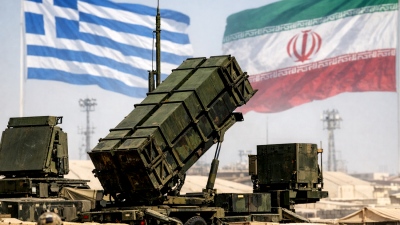
It is not easy for a massive destroyer to maneuver in the Strait of Hormuz and survive asymmetric threats, such as Iran’s swarms of small fast boats, explains Konstantinos Grivas. At the same time, there is the danger of mines, he stresses, describing what would happen if Greece decided to send the frigate "Kimon" to assist Donald Trump. Is there even an indirect involvement of our country in the war? Have we already sent Patriot missiles to Qatar, as reported by the foreign press? What is happening at the Souda Bay base, where the "wounded" USS Ford is returning?
See the full analysis by the Army Academy professor for all the answers and an in-depth look at a potential US ground intervention, the role of the Kurds and Syria, and the internal situation in Iran, where developments are creating the conditions for the birth of new martyrs in the name of Allah!
www.bankingnews.gr





Σχόλια αναγνωστών